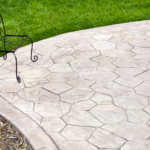
Making the right choice between exposed aggregate and traditional concrete for your driveway involves careful consideration of various factors, especially in Darwin’s unique climate. Pro Concreters Darwin understands that this decision impacts not only your property’s appearance but also its long-term value and maintenance requirements. Let’s explore both options in detail to help you make an informed choice.
Understanding the Basics
The fundamental difference between exposed aggregate and traditional concrete lies in their composition and finishing process. Traditional concrete typically presents a smooth, uniform surface created by floating and troweling the concrete mix until it achieves a consistent finish. In contrast, exposed aggregate concrete undergoes an additional process where the top layer of cement paste is removed to reveal the decorative stones, pebbles, or rocks within the mix.
The choice between these two options often depends on various factors including aesthetic preferences, budget constraints, and specific property requirements. While both types use similar base materials, their final appearance and performance characteristics can differ significantly, particularly in Darwin’s tropical climate where durability and weather resistance are crucial considerations.
Exposed Aggregate Analysis
Exposed aggregate concrete has gained significant popularity in Darwin due to its unique aesthetic appeal and practical benefits. The composition typically includes specially selected decorative stones, granite, quartz, or river pebbles mixed with standard concrete materials. These aggregates can be locally sourced or imported, offering a wide range of color combinations and visual effects.
The installation process requires specialized expertise and timing. After pouring the concrete mix, contractors must wait for the perfect moment to expose the aggregate by removing the surface layer of cement paste. This critical timing varies depending on weather conditions, particularly in Darwin’s climate where humidity and temperature can significantly affect concrete curing times. Professional contractors typically charge between A$150 and A$220 per square metre for exposed aggregate installations, reflecting the additional labor and expertise required.
Traditional Concrete Examination
Traditional concrete remains a popular choice for driveways due to its versatility and cost-effectiveness. The standard composition includes cement, water, sand, and crushed stone or gravel, mixed in proportions that ensure optimal strength and workability. Installation costs typically range from A$85 to A$150 per square metre, depending on finish quality and specific requirements.
The installation methodology for traditional concrete follows well-established procedures, making it generally more straightforward than exposed aggregate. However, achieving a perfectly smooth, durable finish still requires considerable skill and experience. The process includes proper sub-base preparation, accurate mix design, careful placement, and appropriate finishing techniques. In Darwin’s climate, particular attention must be paid to curing procedures to prevent cracking and ensure long-term durability.
Comparative Performance Factors
When evaluating performance, several key factors distinguish exposed aggregate from traditional concrete. Slip resistance is notably higher in exposed aggregate due to its textured surface, making it particularly advantageous during Darwin’s wet season. Testing shows that exposed aggregate typically achieves slip resistance ratings 30-40% higher than smooth-finished traditional concrete.
Load-bearing capacity remains comparable between both options when properly installed, with both capable of supporting standard vehicle weights without issues. However, the surface texture of exposed aggregate can provide better weight distribution for heavy vehicles. Weather resistance capabilities differ slightly, with exposed aggregate often demonstrating superior performance in extreme conditions. The textured surface allows for better water runoff, while the exposed stones provide additional protection against UV radiation and temperature fluctuations.
The chemical resistance of both materials depends largely on the sealer used and maintenance practices. Both types can be effectively sealed to resist oil stains, chemical spills, and other common driveway contaminants. Impact resistance tends to be slightly higher in exposed aggregate due to the hardness of the exposed stones, though both materials can chip or crack under extreme impact.
Aesthetic Considerations
The visual appeal of your driveway significantly impacts your property’s overall appearance. Exposed aggregate offers extensive customization options through aggregate selection, with choices ranging from local river rock to imported decorative stone. Color variations can be achieved through both aggregate selection and base concrete tinting, providing numerous design possibilities. Current trends show increasing popularity for exposed aggregate in modern Australian homes, with many homeowners appreciating its natural, textured appearance.
Traditional concrete also offers various aesthetic options through coloring, stamping, or special finishing techniques. Surface treatments can create numerous effects, from smooth and sophisticated to textured and decorative. Property value influence studies suggest that while both options can enhance home value, exposed aggregate often provides a slightly higher return on investment due to its premium appearance and perceived durability.
Maintenance Requirements and Long-term Care
Regular maintenance plays a crucial role in preserving the appearance and functionality of both driveway types. Exposed aggregate typically requires cleaning every 3-6 months, depending on environmental conditions and usage. The textured surface may trap more debris but generally hides dirt better than smooth concrete. Sealing frequency differs slightly, with exposed aggregate typically requiring resealing every 2-3 years in Darwin’s climate, while traditional concrete might extend to 3-4 years between applications.
Professional maintenance services for exposed aggregate typically cost between A$8 and A$12 per square metre for standard cleaning and sealing. Traditional concrete maintenance costs slightly less, averaging A$6 to A$10 per square metre. Both surfaces can be pressure washed, though exposed aggregate requires more careful technique to prevent aggregate loosening.

Frequently Asked Questions
Which Option Provides Better Long-Term Durability?
Both exposed aggregate and traditional concrete offer excellent durability when properly installed, though their performance characteristics differ. Exposed aggregate typically demonstrates superior wear resistance due to the exposed stone surface, often lasting twenty to twenty-five years in Darwin’s climate. Traditional concrete, when properly installed, provides fifteen to twenty years of service life under normal conditions. Professional installation significantly influences longevity for both options, with proper base preparation and reinforcement placement ensuring optimal performance. Environmental factors including UV exposure and chemical contact affect aging rates requiring appropriate maintenance practices.
Can I Install Either Option Myself?
Professional contractors strongly recommend against DIY installation for both exposed aggregate and traditional concrete driveways. Exposed aggregate installation requires precise timing and specialized techniques during the exposure process ensuring proper stone revelation without compromising surface integrity. Traditional concrete installation demands careful attention to base preparation, reinforcement placement, and finishing techniques affecting long-term performance. The complexity of proper installation procedures and the importance of appropriate timing typically exceed DIY capabilities.
What Most Affects the Final Project Cost?
Project costs for both options depend significantly on multiple factors including site preparation requirements and design complexity. Material costs typically run twenty to thirty percent higher for exposed aggregate due to specialized aggregate selection and additional labor requirements. Site preparation costs remain similar for both options though specific conditions might require additional work. Design elements including patterns, borders, or special finishes influence final costs for either option. Professional contractors provide detailed cost comparisons helping clients understand value differences between available options.
How Often Does Each Type Need Resealing?
Sealer application frequencies vary based on exposure conditions and wear patterns. Exposed aggregate typically requires resealing every two to three years in Darwin’s climate due to its textured surface. Traditional concrete might extend to three or four years between sealer applications under similar conditions. Professional contractors recommend specific sealer types and application frequencies based on installation type and exposure conditions. Regular assessment helps determine appropriate timing for sealer renewal maintaining surface protection.
Can Damage Be Easily Repaired?
Repair possibilities differ between exposed aggregate and traditional concrete surfaces. Traditional concrete typically allows easier repairs with better aesthetic matching for small areas. Exposed aggregate repairs present greater challenges matching existing stone exposure patterns and color variations. Professional contractors evaluate damage extent determining appropriate repair methods for each surface type. Some repairs might require larger area replacement ensuring consistent appearance particularly with exposed aggregate finishes.
Installation Considerations
Proper installation is crucial for both driveway types, particularly in Darwin’s climate. The process requires careful attention to weather conditions, with ideal installation temperatures between 20-28°C. Site preparation remains similar for both options, including proper base compaction and drainage consideration. Equipment requirements differ slightly, with exposed aggregate requiring specialized tools for surface exposure and finishing.
Curing time varies between the options, with exposed aggregate typically requiring more controlled conditions during the critical exposure phase. Traditional concrete generally allows for simpler curing procedures, though both types need protection from extreme weather during the curing period. Labor intensity is notably higher for exposed aggregate installations, requiring more skilled workers and careful timing coordination.
Conclusion
The choice between exposed aggregate and traditional concrete ultimately depends on your specific needs, budget, and aesthetic preferences. While exposed aggregate offers superior slip resistance and unique visual appeal at a higher initial cost, traditional concrete provides a cost-effective, versatile solution with simpler maintenance requirements. In Darwin’s tropical climate, both options can perform well when properly installed and maintained, making either choice viable for your driveway project.
For more information about concreting services at Pro Concreters Darwin, check them out below: