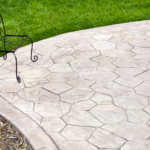
The selection of appropriate materials for footpath construction plays a crucial role in creating safe, durable, and accessible pathways for both public and private spaces. Pro Concreters Darwin understands that concrete footpaths represent the optimal choice for Darwin’s unique climate and usage requirements. The combination of durability, cost-effectiveness, and versatility makes concrete the preferred material for creating lasting pedestrian infrastructure.
Understanding Modern Footpath Requirements
Modern footpath design must address multiple requirements including accessibility, safety, and long-term performance. Infrastructure importance extends beyond basic pedestrian access to include considerations for mobility devices, bicycle traffic, and integration with surrounding landscapes. The selection of appropriate materials and design approaches significantly impacts both initial construction success and long-term maintenance requirements. In Darwin’s tropical climate, footpath materials must withstand intense sun exposure, heavy seasonal rainfall, and potential ground movement while maintaining structural integrity and safe surface conditions.
Comprehensive Design Considerations
The design process for concrete footpaths encompasses numerous factors that influence both immediate functionality and long-term performance. Width requirements typically range from one point two to two point four metres depending on anticipated traffic patterns and local regulations. Professional contractors carefully consider thickness specifications based on expected loads and soil conditions, with typical residential footpaths requiring one hundred millimetres thickness and commercial applications often requiring one hundred fifty millimetres or more. Slope management becomes particularly important in Darwin’s climate, with appropriate gradients necessary for effective drainage while maintaining comfortable pedestrian access.
Durability Features and Performance
Concrete footpaths demonstrate exceptional durability under various environmental conditions, particularly important in Darwin’s challenging climate. Weather resistance capabilities include excellent performance under intense UV exposure, with properly designed concrete mixes maintaining structural integrity despite temperature fluctuations and moisture variations. Load capacity considerations extend beyond typical pedestrian traffic to accommodate occasional vehicle crossings and maintenance equipment access. Professional contractors utilize appropriate reinforcement methods and concrete mix designs to ensure adequate strength for anticipated loads while preventing premature deterioration.
Impact tolerance becomes particularly important in areas where tree roots might cause ground movement or where heavy objects might be dropped. Chemical resistance proves valuable in areas exposed to fertilizers, cleaning agents, or other potentially harmful substances. The freeze-thaw cycle resistance, while less critical in Darwin’s climate, still contributes to overall durability during temperature variations. Root intrusion prevention requires careful consideration during design and installation phases, with appropriate base preparation and reinforcement methods helping maintain surface integrity despite nearby vegetation growth.
Essential Safety Aspects
Safety considerations in concrete footpath design encompass multiple factors affecting user protection and comfort. Slip resistance represents a critical safety feature, with surface texturing techniques providing appropriate traction under both dry and wet conditions. Professional contractors carefully select finishing methods that balance slip resistance with user comfort, particularly important for areas frequented by elderly pedestrians or those using mobility devices. Trip prevention measures include careful attention to joint placement and maintenance of appropriate surface tolerances throughout the installation.
Surface texture selection significantly influences both safety and aesthetic aspects of concrete footpaths. Professional contractors utilize various finishing techniques to achieve desired slip resistance while maintaining appealing appearance. Lighting integration considerations become particularly important for pathways used during evening hours, with concrete surfaces providing good visibility and reflecting available light effectively. Edge protection methods help prevent deterioration along pathway boundaries while providing clear visual definition of walking surfaces.
Professional Installation Methodology
The installation process requires systematic attention to multiple factors affecting both immediate quality and long-term performance. Site preparation includes careful evaluation of existing conditions, removal of unsuitable materials, and establishment of appropriate base materials for stable support. Professional contractors ensure proper compaction of base materials and installation of any required drainage features before proceeding with concrete placement. Form setting requires precise attention to alignment and elevation control to ensure proper thickness and surface drainage patterns.
Reinforcement placement follows established guidelines for crack prevention and load distribution, with materials selected based on specific project requirements and local conditions. Concrete placement techniques ensure proper consolidation and uniform thickness throughout the installation. Finishing methods are carefully selected and executed to achieve desired surface characteristics while maintaining appropriate safety features. Joint creation follows established spacing guidelines to control cracking and accommodate normal concrete movement during curing and service.
Installation Timeline Factors
Typical footpath installation projects require careful scheduling to accommodate various construction phases and ensure optimal results. Site preparation typically requires one to two days depending on existing conditions and required modifications. Concrete placement and finishing usually occur within a single day for most residential projects, with larger commercial installations potentially requiring multiple days. Weather considerations significantly influence scheduling decisions, particularly during Darwin’s wet season when alternative arrangements might be necessary.
Best Surface Finish Options
Surface finish selection balances multiple requirements including slip resistance, appearance, and maintenance considerations. Professional contractors recommend finishes based on specific usage patterns and environmental conditions. Textured finishes provide excellent slip resistance while maintaining attractive appearance suitable for both residential and commercial applications. The finishing process requires careful timing and skilled execution to achieve optimal results under varying weather conditions.
Repair Possibilities and Methods
Concrete footpaths can be effectively repaired when damage occurs, though prevention through proper installation remains preferable. Professional contractors evaluate damage extent and underlying causes before recommending appropriate repair methods. Surface repairs might include patching, resurfacing, or section replacement depending on damage type and severity. Proper repair techniques ensure restored areas integrate effectively with existing surfaces while maintaining necessary safety characteristics.
Weather Limitations and Considerations
The success of concrete footpath installation depends significantly on weather conditions during construction and initial curing periods. Professional contractors in Darwin understand the complexities of working within the tropical climate, particularly regarding temperature and humidity effects on concrete placement and curing. Morning installations typically provide optimal conditions for controlling concrete temperature and managing finishing operations effectively. Rainfall protection measures become essential during wet season installations, with contractors maintaining appropriate covering materials and monitoring weather forecasts carefully.
Expected Lifespan and Performance
Professional concrete footpath installations typically provide twenty to thirty years of service when properly designed and maintained. Performance expectations depend significantly on initial installation quality and ongoing maintenance practices. Environmental conditions, usage patterns, and maintenance practices influence actual service life, with professional installations often exceeding typical lifespan projections. Regular maintenance programs help ensure optimal performance throughout the expected service life.
Cost Analysis and Value Assessment
Professional concrete footpath installation represents a significant investment in property infrastructure, with costs reflecting various factors affecting construction quality and long-term performance. Material expenses typically range from sixty to ninety dollars per square metre depending on concrete specification and reinforcement requirements. Labor costs vary based on site conditions and installation complexity, typically ranging from forty to seventy dollars per square metre. Equipment needs contribute to overall project costs but ensure proper installation techniques and finishing quality.
Site preparation costs depend significantly on existing conditions and required modifications to achieve proper support and drainage characteristics. Additional features such as decorative finishes or specialized texturing might increase initial costs but often provide enhanced value through improved appearance and performance. Long-term value consideration must include reduced maintenance requirements and extended service life compared to alternative materials.

Frequently Asked Questions
How Long Does a Professional Footpath Installation Take to Complete?
Professional concrete footpath installation typically requires between three to seven days for standard residential projects. The timeline includes initial site preparation taking one to two days, followed by formwork and reinforcement installation. The concrete placement and finishing usually occurs in a single day, though larger projects might require multiple concrete pours. Curing time requires additional days before allowing regular foot traffic, with professional contractors providing specific guidance based on concrete strength development and weather conditions in Darwin’s climate.
What Surface Finish Options Provide the Best Safety in Darwin’s Climate?
Surface finish selection significantly influences both safety and aesthetics of concrete footpaths. Professional contractors recommend medium broom finishes for most applications, providing excellent slip resistance during both dry and wet conditions. The texture depth requires careful control ensuring adequate traction without creating cleaning or maintenance difficulties. Exposure to Darwin’s intense rainfall requires proper texture maintenance ensuring continued slip resistance throughout the service life.
What Regular Maintenance Do Concrete Footpaths Need?
Maintenance requirements for concrete footpaths include regular cleaning to prevent staining and surface deterioration. Professional contractors recommend monthly inspections checking for any developing cracks or joint deterioration requiring attention. Periodic pressure washing, typically annually or semi-annually, helps maintain appearance and surface texture. Sealer applications might be necessary every two to three years depending on exposure conditions and wear patterns. Professional maintenance programs help ensure optimal performance and appearance throughout the footpath’s service life.
What Weather Conditions Are Required for Installation?
Successful footpath installation requires appropriate weather conditions ensuring proper concrete curing and surface finishing. Temperature ranges between twenty and thirty degrees Celsius provide optimal conditions for concrete placement and finishing operations. Humidity levels significantly influence setting times and finishing operations, with professional contractors often preferring early morning installations. Rain protection becomes particularly important during Darwin’s wet season, requiring careful project scheduling and appropriate protection measures.
What is the Expected Lifespan of a Professional Concrete Footpath?
Professional concrete footpath installations typically provide twenty to thirty years of service life when properly designed and maintained. The actual lifespan depends significantly on initial installation quality, exposure conditions, and maintenance practices. Professional installation using appropriate concrete mix designs and reinforcement methods helps ensure optimal durability. Regular maintenance following professional recommendations helps achieve maximum service life. Environmental conditions, particularly in Darwin’s tropical climate, influence aging rates and maintenance requirements throughout the service life.
Conclusion
Concrete footpaths provide optimal solutions for both public and private spaces, offering exceptional durability, safety, and value. The material’s versatility allows appropriate design solutions for various applications while maintaining necessary performance characteristics. Professional installation by experienced contractors ensures proper attention to crucial factors affecting both immediate quality and long-term performance. The combination of durability, safety features, and maintenance efficiency makes concrete the preferred choice for footpath construction in Darwin’s challenging climate.
For more information about concreting services at Pro Concreters Darwin, check them out below: